Biosecurity Threats
At TMBC we believe that biosecurity is the responsibility of everyone - we each have a significant part to play in detecting and eliminating pests in our region.
While not all the pests listed below are currently in New Zealand, awareness of them allows us to build preparedness and action plans in case they reach our shores.
Get to know these pests
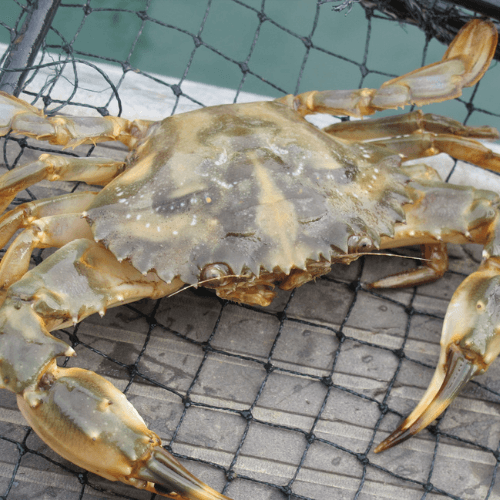
The Asian Paddle Crab is a swimming crab native to South East Asia. It is normally found in the waters of Japan, Korea and Malaysia. It has the potential to compete with native crabs for their habitat and food.
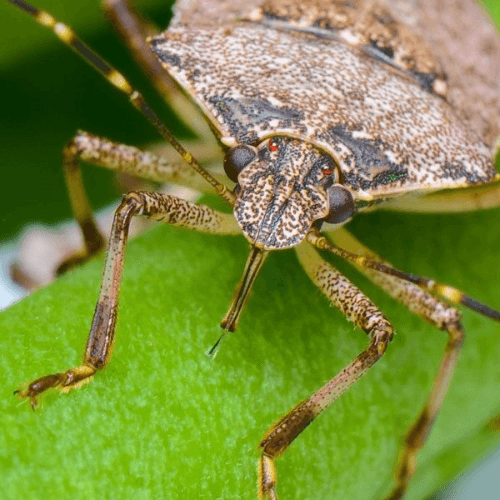
Brown marmorated
stink bug
The Brown Marmorated Stink Bug is an agricultural, horticultural, and social pest. It's native to Asia and has spread through North America and Europe. It feeds on plant species and could decimate agricultural industries.
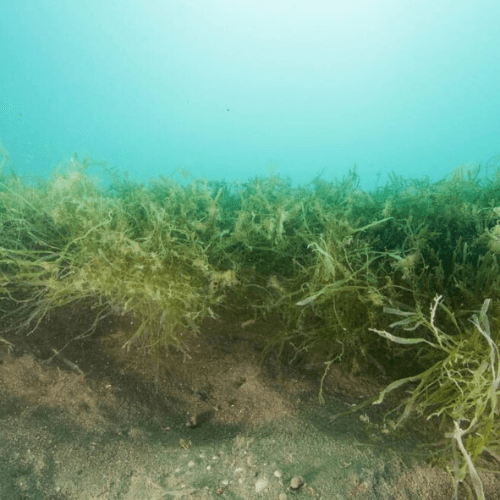
Exotic caulerpa
A type of seaweed that was discovered at Aotea Great Barrier Island in 2021. These seaweeds are easy to spot because they're bright green and have blades that look like little oars.
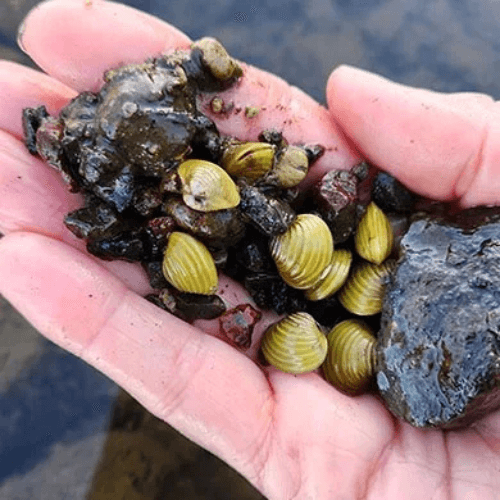
Exotic freshwater clams
Freshwater Clams are now in New Zealand and causing trouble. First spotted in the Waikato River in May 2023, they live in big piles on the riverbed.They can take all the food out of the water and crowd out native shellfish.
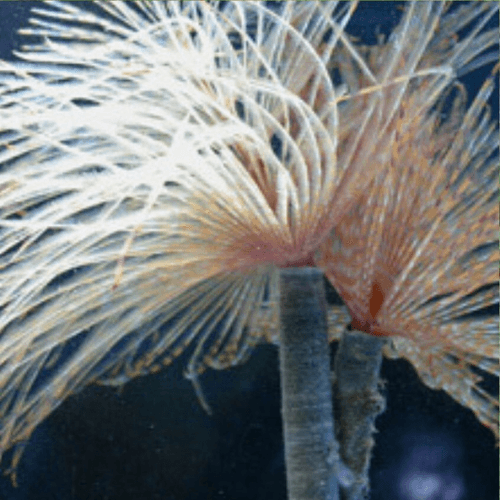
Mediterranean fanworm
The Mediterranean fanworm is an invasive marine species that forms dense colonies on underwater surfaces. It competes with native marine life for food and space and often spreads via boat hulls and marine equipment.
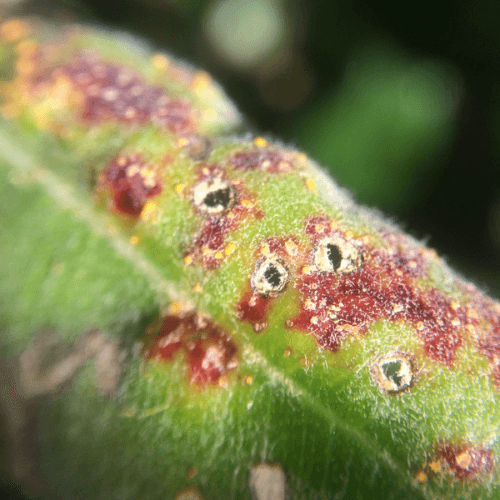
Myrtle rust
Myrtle Rust, a troublesome fungal disease that affects myrtle plants in New Zealand like pōhutukawa and rātā, mānuka and kānuka, ramarama and swamp maire, and exotic plants like feijoa has spread across the North Island and the top of the South Island. Click the link below to access a guide to identifying Myrtle rust.
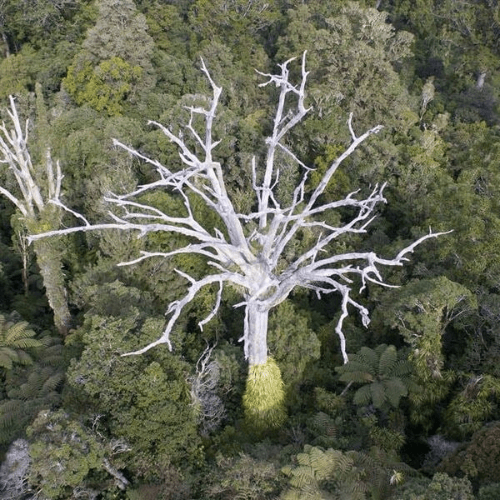
PA pathogen
Kauri are a taonga (treasure) of Aotearoa New Zealand. They are threatened by a pathogen called Phytophthora agathidicida (PA for short) which lives in soil and infects Kauri trees through their roots.
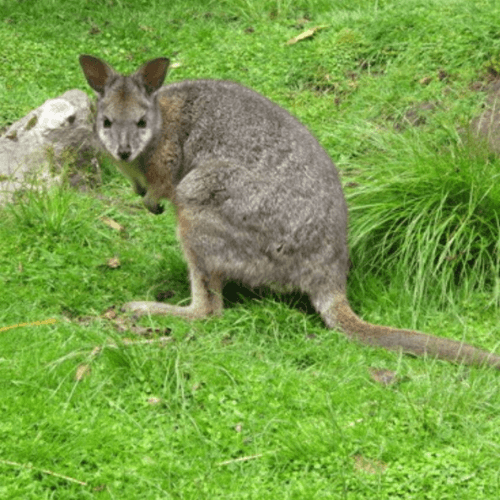
Wallabies
Wallabies are small to medium-sized marsupials native to Australia, but they've also been introduced to New Zealand. In some regions, they're considered pests because they damage native forests and compete with livestock for pasture.
Download resource cards
ID pest cards
The following cards identify some of our nation’s highest biosecurity risks. Should any of these get across our border, they would be disruptive to individual businesses and sectors, the economy, our environment and even our way of life.
Yellow-legged hornet (Vespa velutina) fact sheet
Learn how to identify the Yellow-legged hornet (vespa velutina).
We encourage you to print copies from the PDF file for your workplace.
Yellow-legged hornet (Vespa velutina) homemade trap
Learn how to make your own trap at home.
We encourage you to print copies from the PDF file for your workplace.