Meet the 2026 Speakers
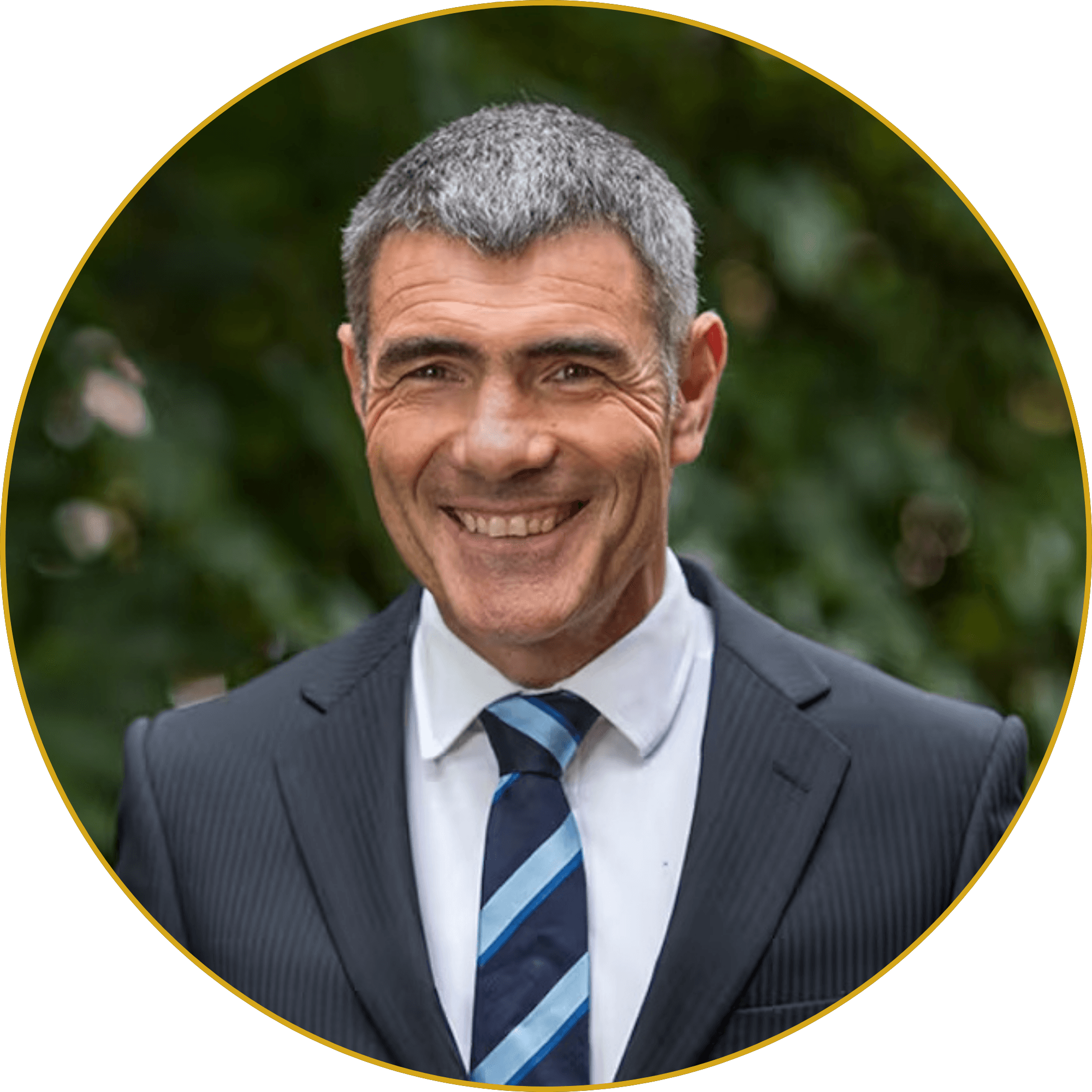
Nathan Guy
Nathan Guy was appointed as New Zealand’s Special Agricultural Trade Envoy (SATE) on 18 December 2025. Nathan has a wealth of experience across the rural, business, and public sectors as a farmer who has served as a professional director, District Councillor, Member of Parliament (2005 – 2020), and as Minister for Primary Industries, Immigration, Veterans Affairs, Civil Defence, Racing and Internal Affairs. He is currently managing his family dairy and beef farm, near Levin.
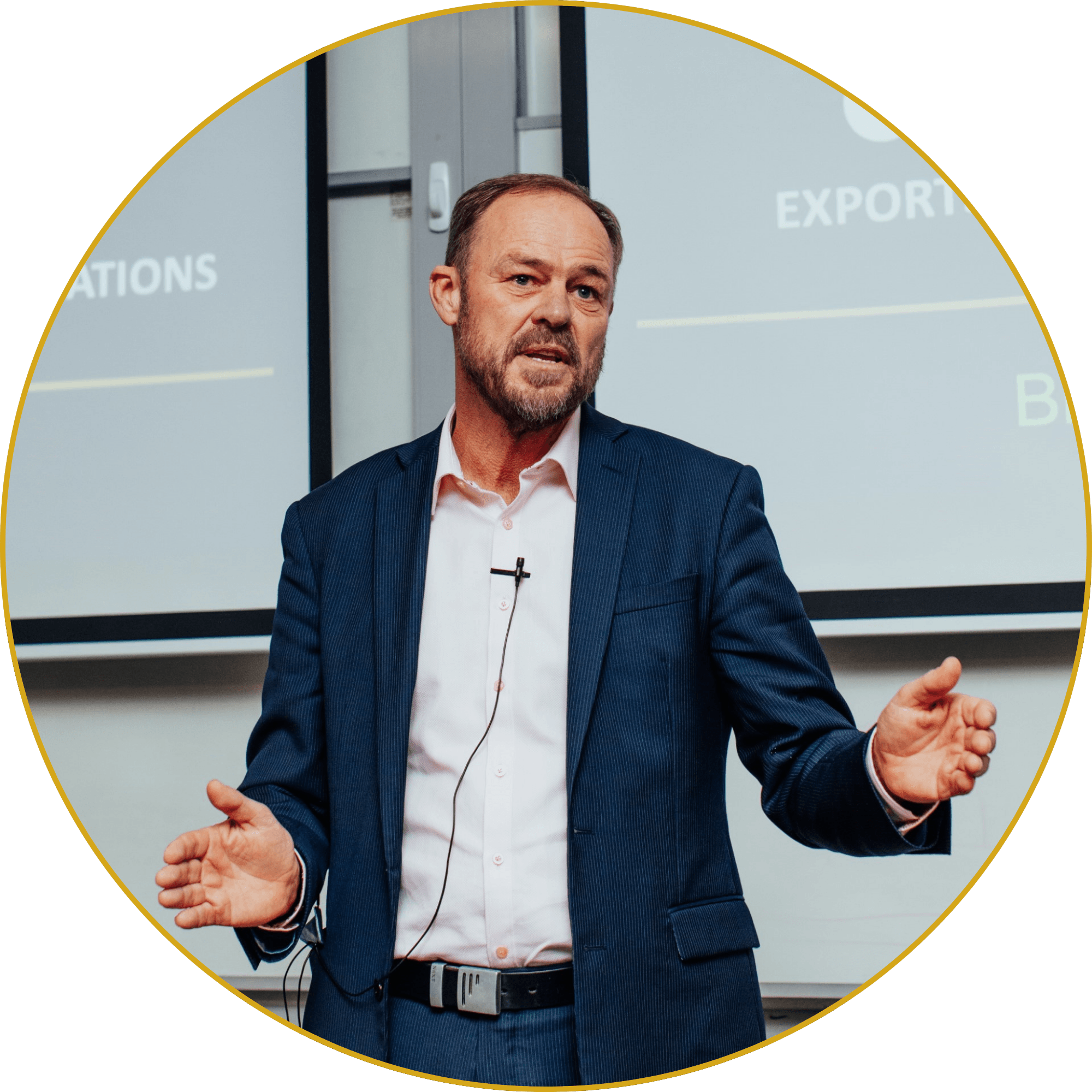
Ian Herbert
Ian Herbert is the New Zealand BIOFIN Assessment Lead, University of Otago. His driver is care for future generations. BIOFIN is not new, but it is new to New Zealand. It is a method to assess how much we invest in nature as a nation and how to do it better. Ian is a Biodiversity Finance specialist and Economist and is completing a Doctor of Business Administration. Ian has owned his own business for 25 years. He is affiliated to the United Nations BIOFIN family. Ian has broad work experience in government and the private sector in New Zealand and the United Kingdom. He has three children and enjoys surfing, travelling, learning te reo Māori and the great outdoors.
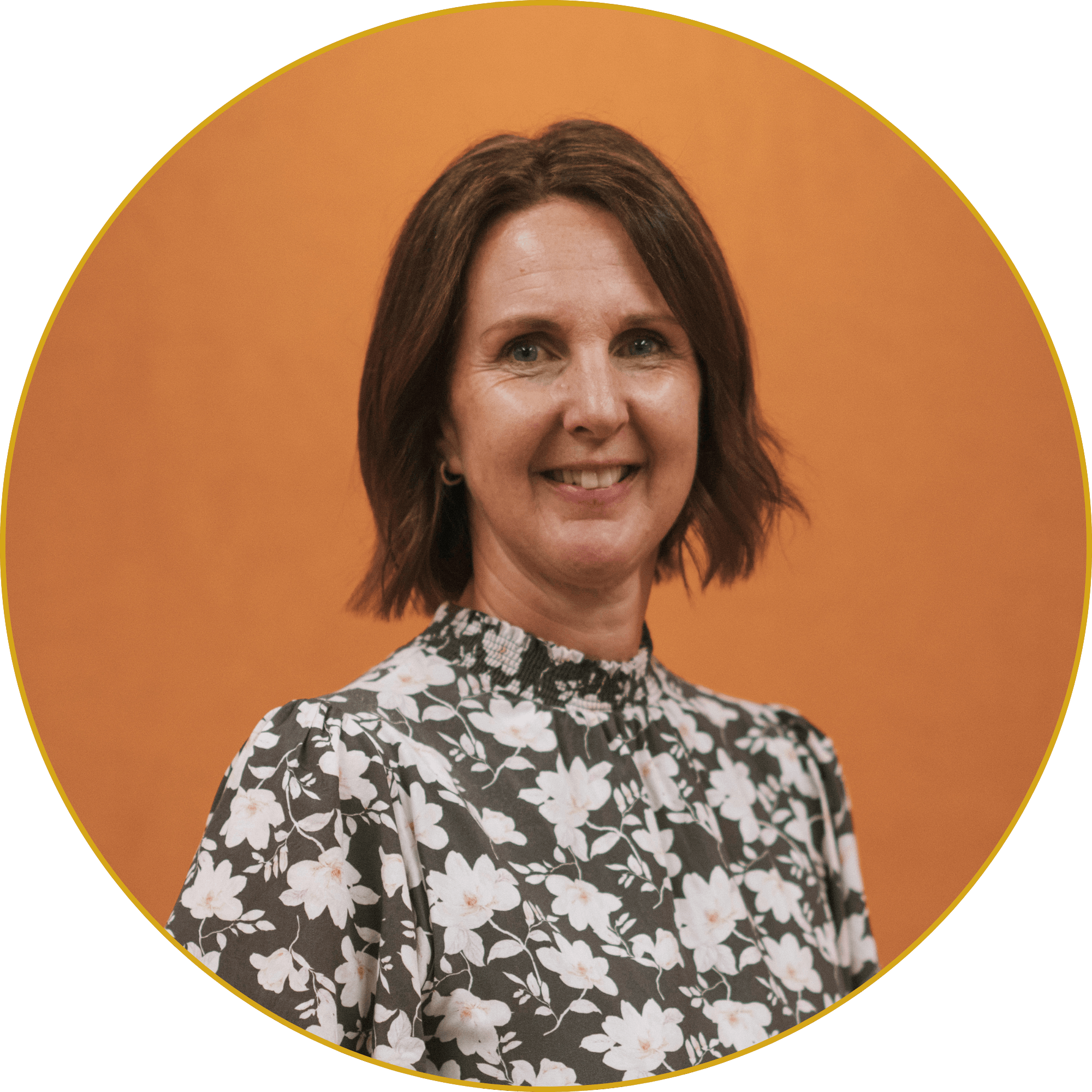
Louise Saunders
Louise leads the Kaimai Mamaku Restoration Project, a landscape-scale project restoring the mauri of the Kaimai Mamaku forests and catchments. She works alongside iwi-hapu-led restoration teams to build capability, share knowledge and drive collective action. Over the past four years, Louise has focused on nature finance to provide sustainable funding to support intergenerational restoration.
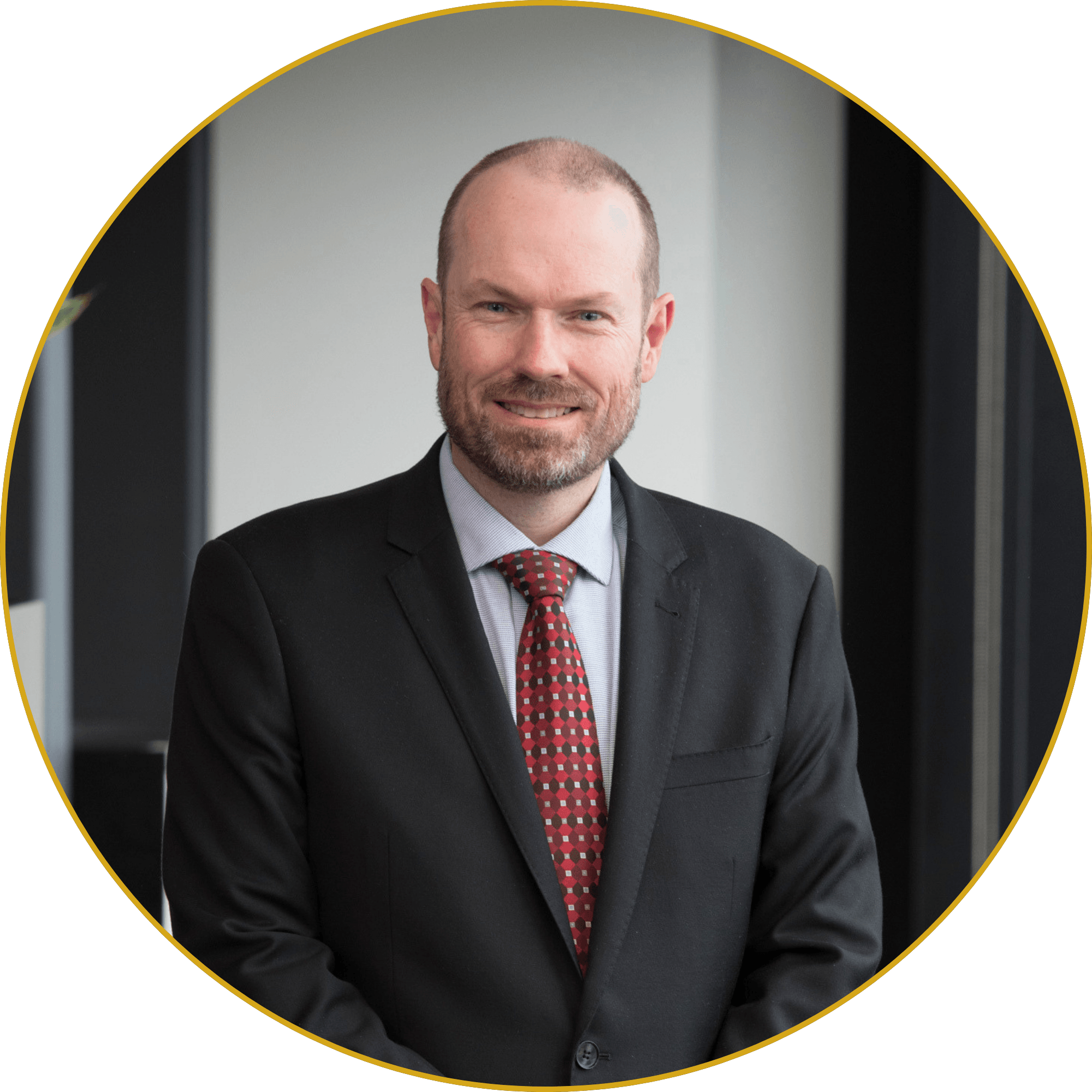
Stuart Anderson
Stuart is the Deputy Director-General of Biosecurity New Zealand, a role he has held since 2021. He is responsible for providing system leadership for biosecurity in New Zealand, ensuring the biosecurity system protects New Zealand and underpins trade, primary production and biodiversity.
Stuart has been with MPI since 2010 and during his time has previously led the Ministry’s forestry regulatory and operational functions, fisheries management system, and the Mycoplasma bovis Programme (a world-first attempt to eradicate this cattle disease from any country).
Prior to joining MPI, Stuart worked at Scion (the New Zealand Forest Research Institute) and led the wildfire research programme
Stuart will also be speaking about what is currently know about HPAI.
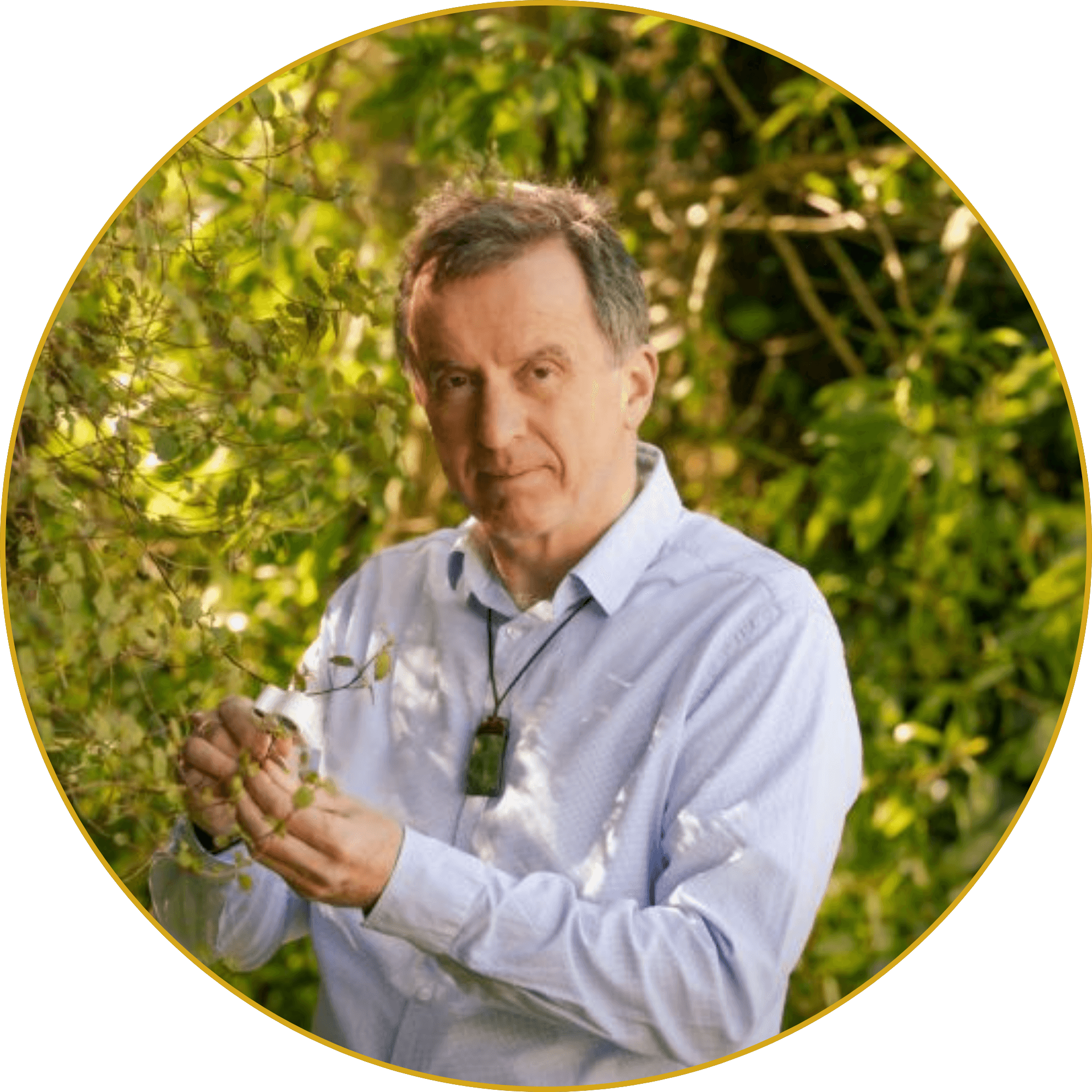
Dr David Teulon
Dr David Teulon FNZIAHS CRSNZ is Principal Scientist at the New Zealand Institute for Bioeconomy Science (BSI) Ltd. David has postgraduate degrees in horticulture and entomology and has worked at research institutes and universities in the Netherlands, USA and Germany. He has been based at BSI and its predecessor organisations at Lincoln since 1996. He is an Adjunct Professor at Lincoln University. David has been a member of numerous New Zealand national biosecurity working groups and committees and has represented New Zealand at several international plant health fora.
David has broad experience in entomology, plant protection, plant biosecurity and biodiversity. David stepped down as the B3 Director in 2023 after 10 years. David’s primary focus is now supporting plant health/biosecurity research in the Pacific Islands but is more broadly interested on the impact of climate change on invasive species, the application of new technologies to face these challenges and the social dimension of these issues.
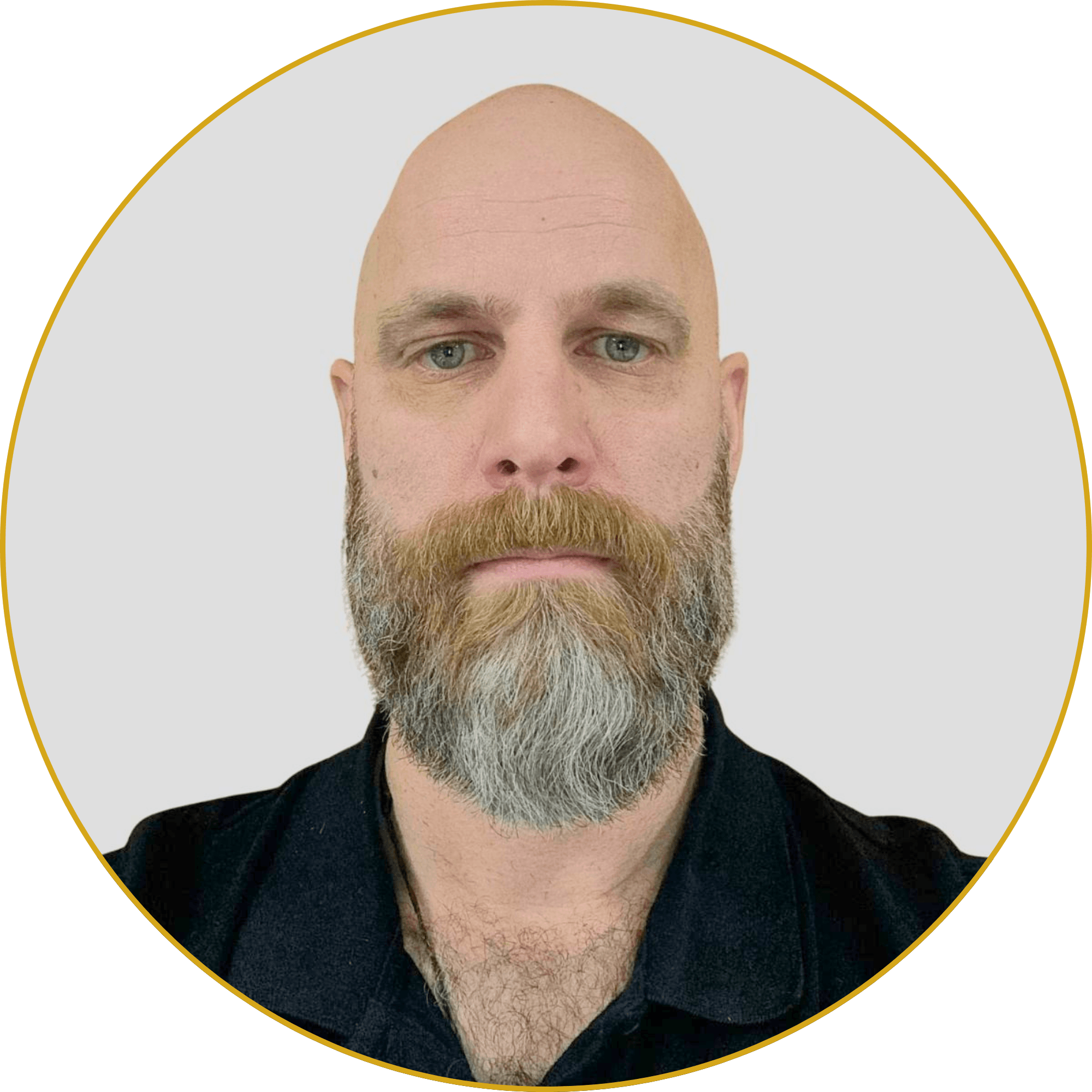
Matt Mooney
Matt Mooney is the Head of Vehicle Design at SYOS Aerospace and former founder and director of Bay Dynamics NZ. He now leads a global team responsible for the creation of SYOS' subsurface vehicles with a strong focus on practical, mission-ready capability. He has championed the use of unmanned systems in Biosecurity for nearly a decade and been responsible for supplying most of New Zealand's current fleet of drones monitoring the Caulerpa response.
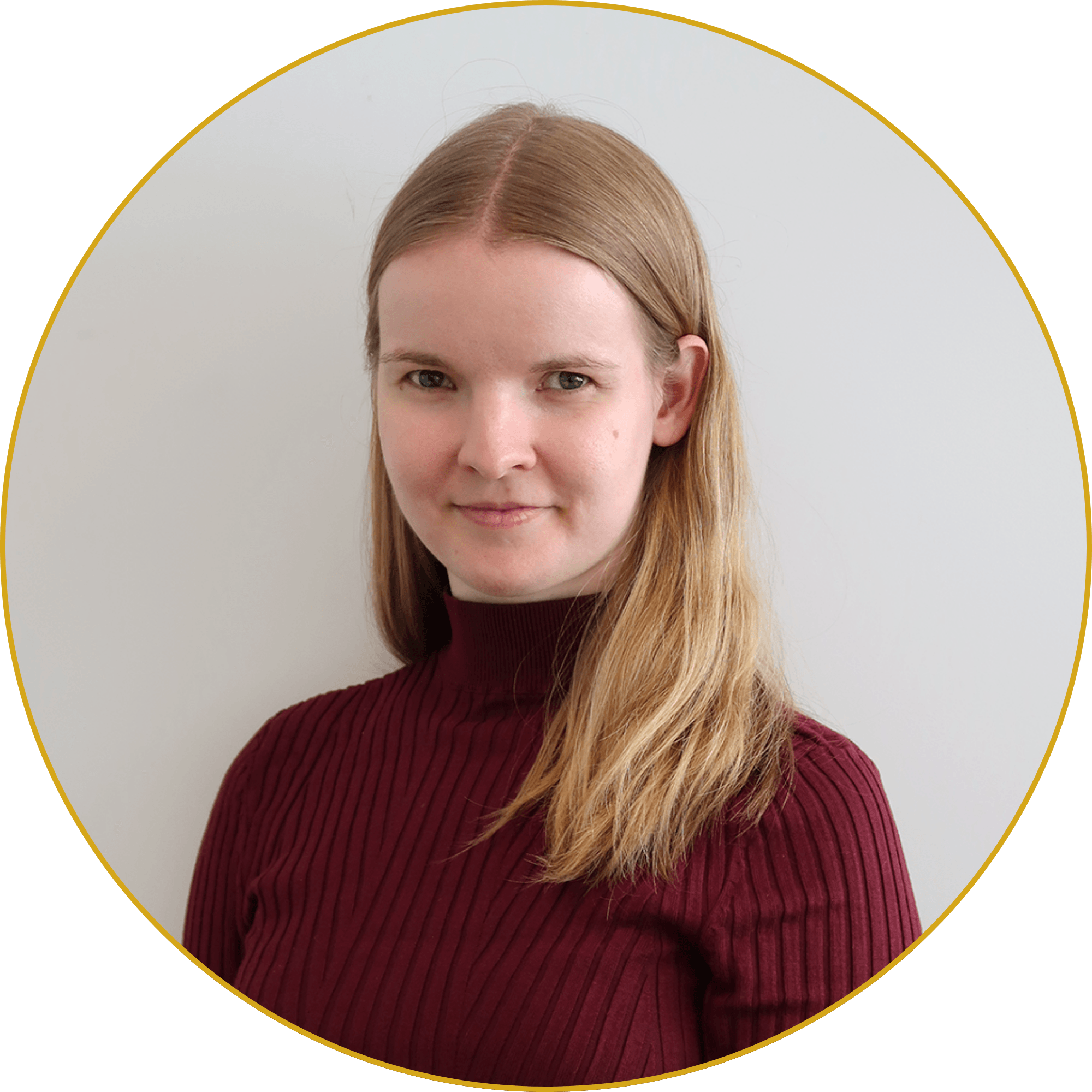
Susanne Schmidt
Dr. Susanne Schmidt is a Lecturer at the Human Interface Technology Lab (HIT Lab NZ) at the University of Canterbury. Her research spans the continuum between the real and virtual worlds, utilising technologies such as augmented reality and virtual reality. It focuses on individual interactions between humans and these technologies, with particular emphasis on the implications of recent developments in artificial intelligence (AI). By exploring approaches that promote transparency in AI systems and encourage critical reflection on AI outcomes, the overarching aim is to design human-AI interfaces that are both valuable and safe for users.
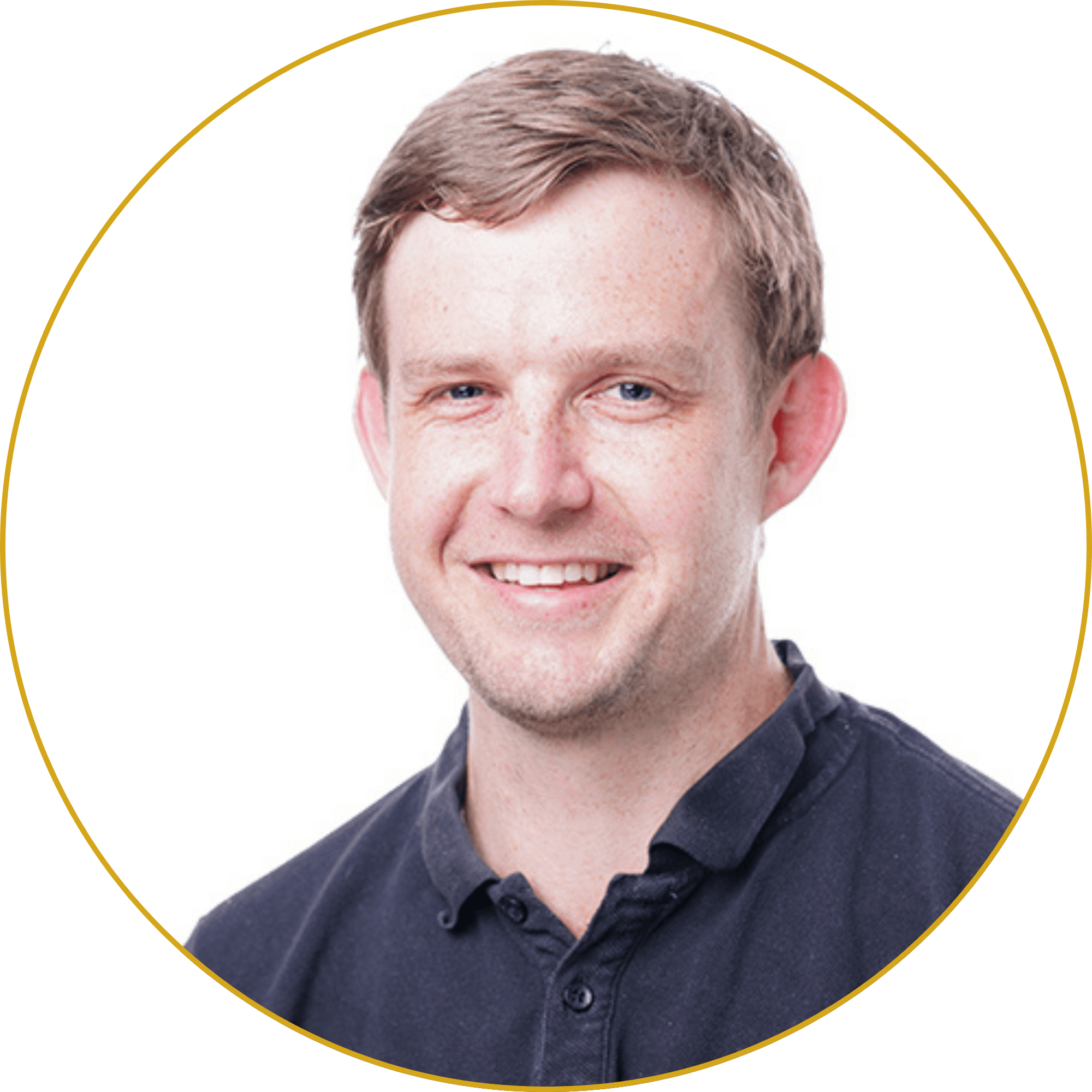
Patrick Cahill
Patrick Cahill leads the Marine Biosecurity Group at the Cawthron Institute in Nelson. He completed a PhD at the University of Auckland on marine pest control in aquaculture in 2013. Since, he has worked on a wide range of marine biosecurity projects, ranging from new marine pest control tools to pathway management approaches to surveillance systems. He currently leads an MBIE Endeavour Programme called “Effective Eradication – strategies, tactics, and technologies for successful marine invasion management” and the SSIF-funded “Shellfish Aquaculture Research Platform”. He is a key contributor to other large research programmes on aquatic disease management and technological innovation for marine antifouling. He has delivered a range of operational research projects for Biosecurity New Zealand, Regional Authorities, and overseas governments that have led to new practices, rules, and tools for marine biosecurity.
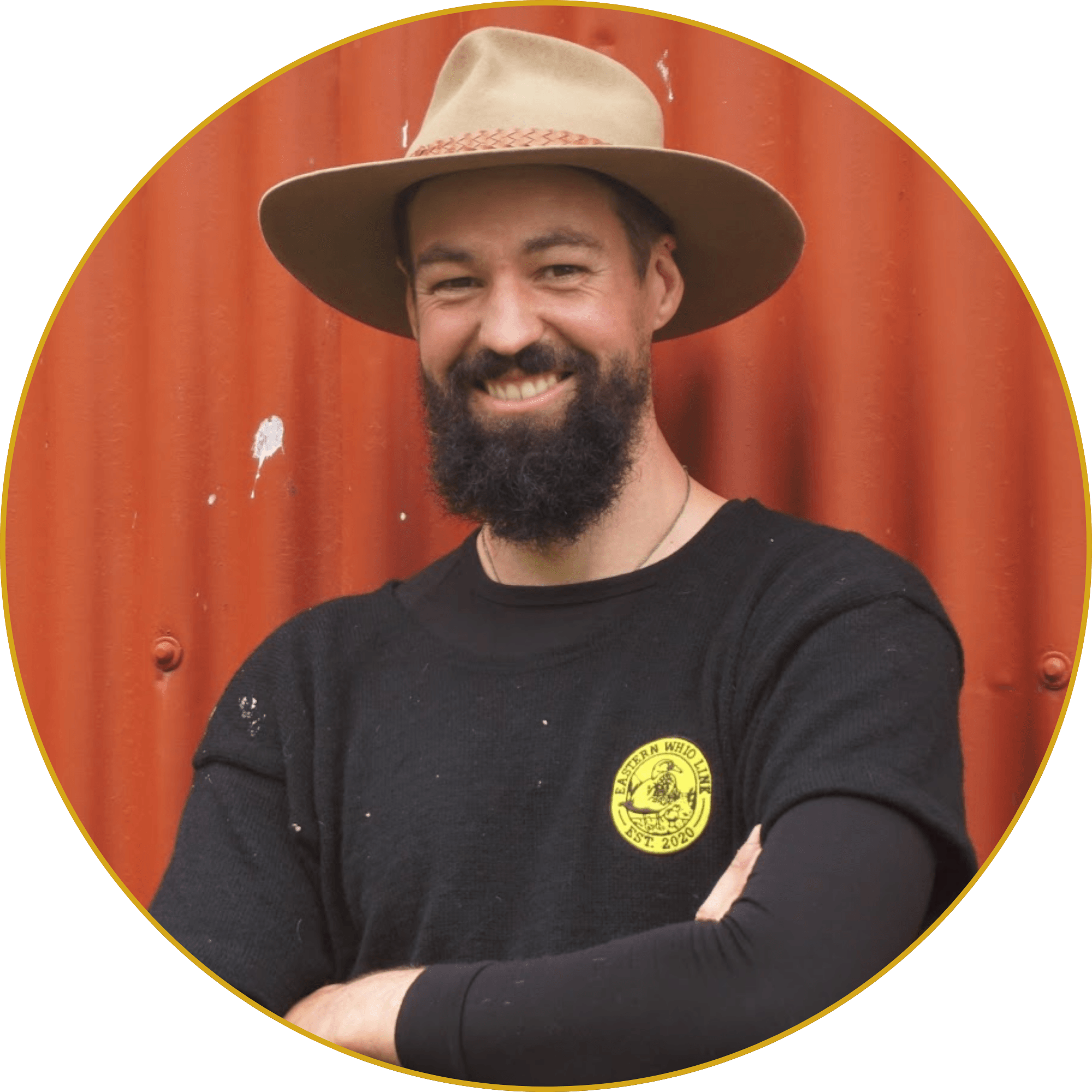
Sam "The Trap Man" Gibson
Sam The Trap Man is head bushman on the Eastern Whio Link project. Having grown up trapping in Te Urewera, he now manages a large team of volunteer trappers who have successfully used a Matauranga Māori approach overlaid with western science to fledge over 146 whio chicks on their project.
Now a bestselling author, Gisborne District Councillor and father, Sam is always an engaging and chuckle-worthy speaker.
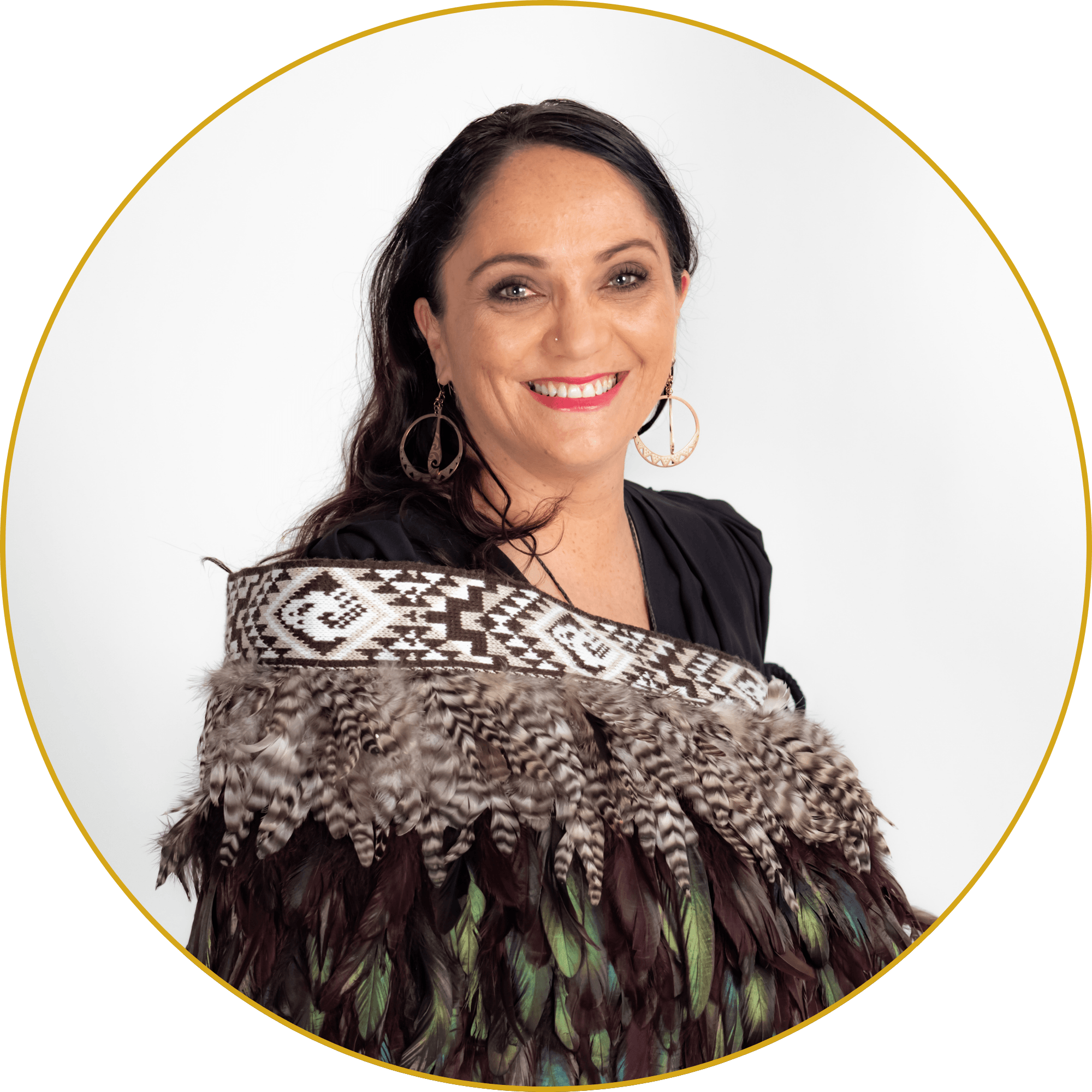
Melanie Mark-Shadbolt
Melanie Mark-Shadbolt (Ngāti Kahungunu ki Wairarapa Tāmaki nui-a-Rua, Te Arawa (Ngāti Kearoa Ngāti Tuarā), Ngāti Porou, Te Aitanga-a-Hauiti, Ngāti Raukawa (Ngāti Huia), Rangitane (Hurunui-o-Rangi), Ngāti Rārua Ātiawa) is a Māori environmentalist and the Chief Executive of Te Tira Whakamātaki, a growing network of Māori practitioners working across biosecurity, biodiversity, and emergency management.
Her work sits at the frontline of some of Aotearoa NZ’s most pressing environmental challenges, where the stakes are high and the answers are rarely simple. She brings together science, mātauranga Māori, and community-led action to protect native species, safeguard culturally significant seeds, and strengthen responses to biosecurity threats and climate-driven disasters. Melanie is known for asking uncomfortable questions - like why we continue trying to fix environmental crises with the same systems that created them, and why Indigenous knowledge is still treated as optional when the evidence suggests otherwise.
Her work challenges conventional approaches, advocating for Indigenous leadership and system transformation as essential to building resilience, not just for ecosystems, but for the communities connected to them. She believes we are well past the point of small adjustments. What is needed now is a fundamental shift in how we understand our relationship with the natural world, and perhaps a little less certainty from those who think they already have all the answers.
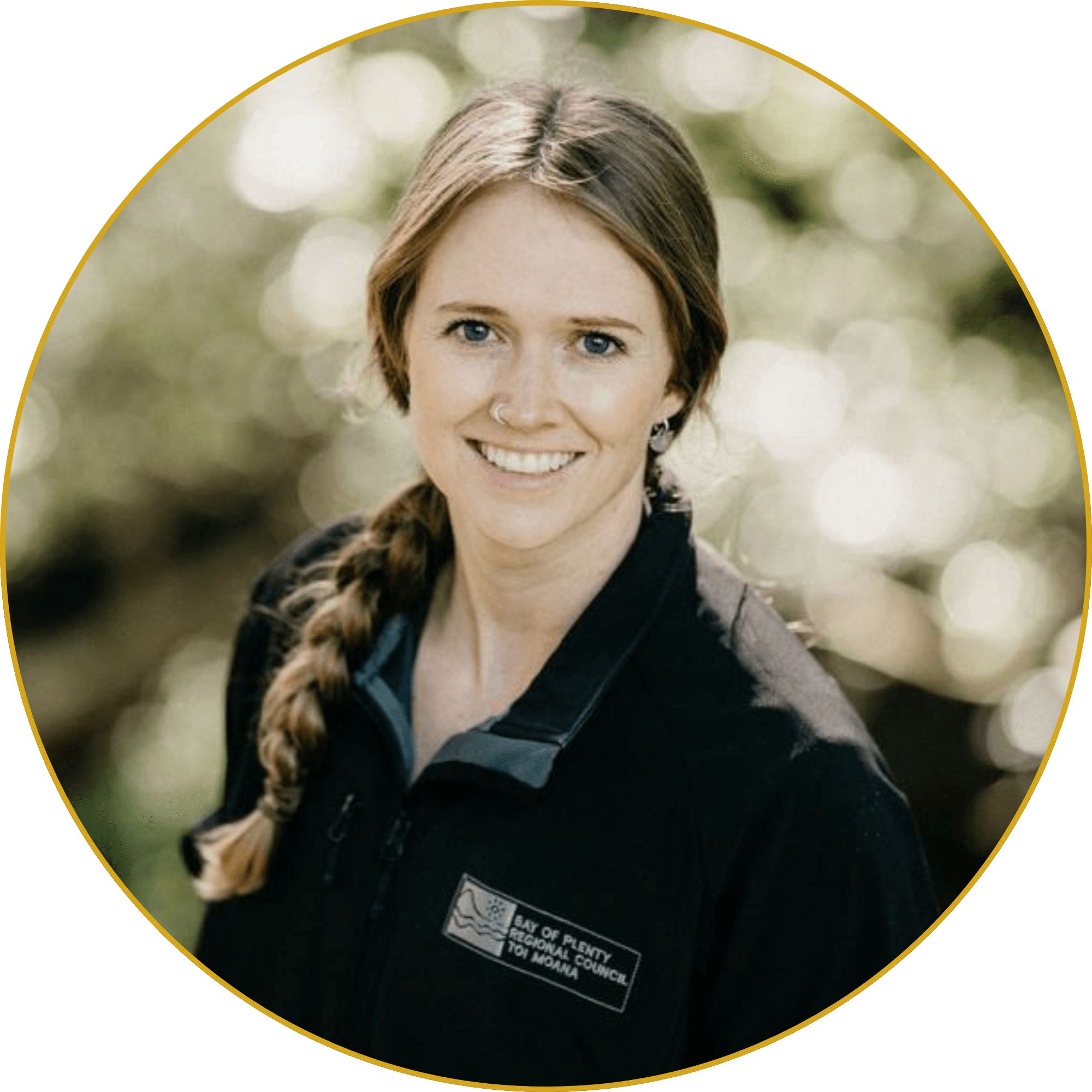
Juliet Brebner
Juliet Brebner is a Biosecurity Officer at Bay of Plenty Regional Council, bringing over a decade of experience in the conservation sector. She began her career as a GIS Analyst with the Department of Conservation before transitioning into an operational biosecurity role in the regional sector around eight years ago.
In her current role, Juliet manages surveillance and control programmes targeting feral goats, rooks, and climbing pest plants across the Bay of Plenty region, while also providing specialist GIS support. She is passionate about using robust data and spatial analysis to inform decision-making, ensuring biosecurity programmes deliver maximum impact and value for money.
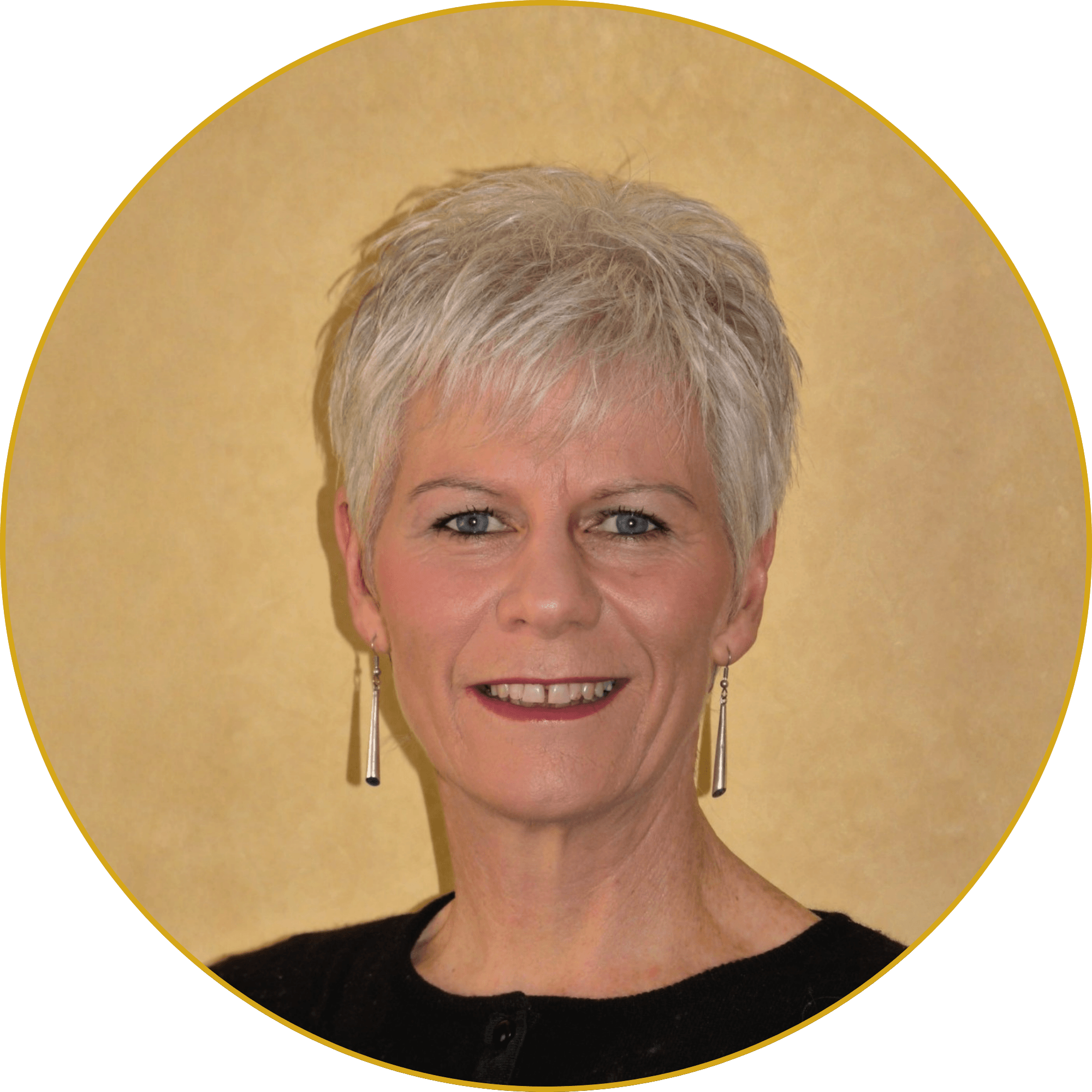
Dr Marie McEntee
Marie McEntee is a social scientist in the School of Environment at the University of Auckland and is director of the Faculty of Science’s Science and Society module. Marie’s research bridges the technical and social dimensions of conservation, biosecurity and sustainability, to find effective approaches to multi-stakeholder partnerships that lead to more inclusive solutions to address complex environmental issues.
Marie co-led the Mobilising for Action theme for the Biological Heritage National Science Challenge, exploring the human dimensions of forest health and also co-led for the Challenge a research programme exploring New Zealander’s perceptions around the use on gene technologies for environmental purposes. Her current research examines the social dynamics of invasive species management to see how community are engaged in landscape-level predator free operations.
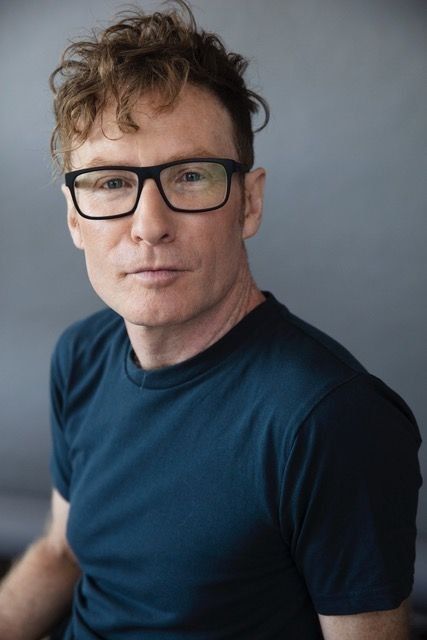
Meet the MC
Te Radar
With a string of official awards to his name, including the country’s highest accolades for comedy and television, Te Radar is one of New Zealand’s most recognized comedians and personalities.
Through numerous television series exploring sustainable living, iconic New Zealand produce, travel and history, he has spent decades showcasing the people, places and stories of rural New Zealand.
His acclaimed "docu-comedy" stage shows have celebrated New Zealand history—from the colourful characters whose "she'll be right" attitude often proved otherwise, to our fascination with intoxicating substances, and most recently the wonderfully quirky world of Kiwi food and cookbooks in Cookbookery.
His last TV series, Te Radar’s Chequered Past, a celebration of some of the most colourful characters from New Zealand history screened to critical acclaim on TV One.
He also co-authored the best-selling “Kiwi Country: Rural New Zealand in 100 Objects” with his wife and long-time comedy writing collaborator Ruth Spencer.
Witty, engaging and well-informed, Te Radar is a sought-after MC, panel moderator , keynote and after-dinner speaker, with an ability to knowledgably host diverse events across the Agricultural, Engineering, Science, Media, Arts, Medical, Environmental and Academic sectors.